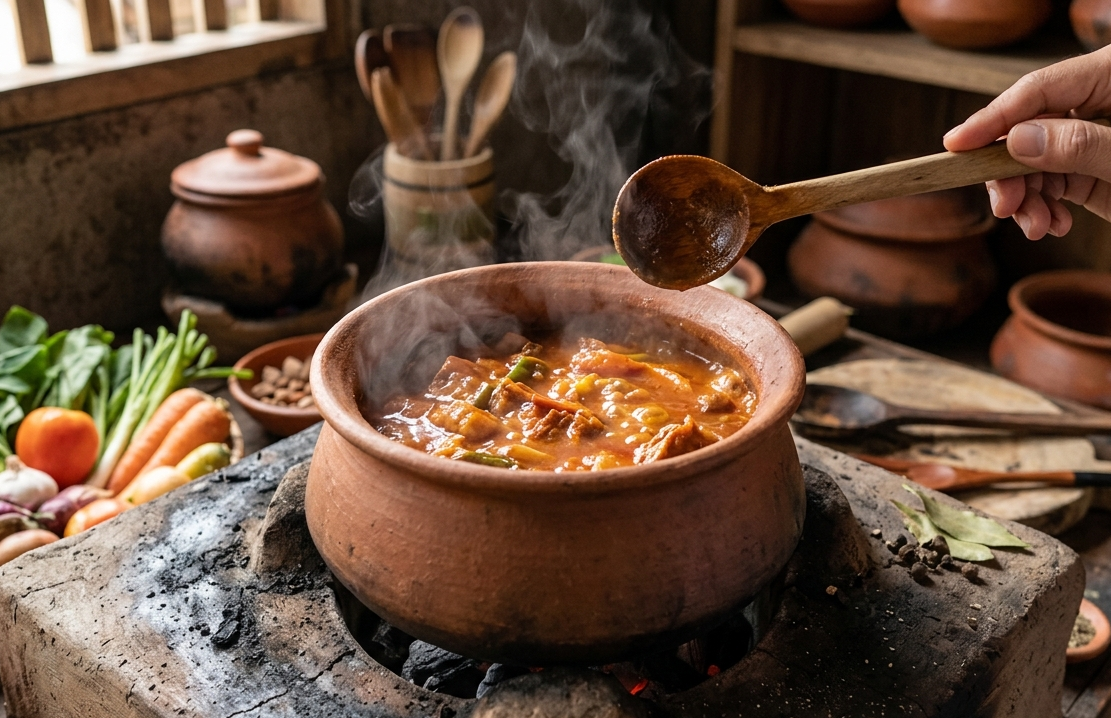
Simmering Soul of San Juan
In the quiet province of Batangas, where the sea breeze mingles with the smoke from firewood and home-cooked meals wafting within, one thing remains unchanged—the palayok, the humble clay pot that has cradled the flavors of generations. In San Juan, Batangas, this tradition endures, not just in family kitchens but in the heart of the town’s culinary identity.
Here, where the land is rich and the waters generous, cooking in a palayok is more than just a method—it is a way of life. The slow, even heat of the earthen pot coaxes out the depth of flavors, turning simple ingredients into something extraordinary. Each dish carries the essence of the soil, the air, and the careful hands that prepare it.
Taste of the Town
San Juan, known for its pristine beaches and vibrant culture, is also home to a deep-rooted food heritage. While many coastal towns boast of fresh seafood, it is how San Juan’s locals prepare their meals that sets them apart. Palayok-cooked dishes remain a staple in many households and eateries, a testament to the town’s devotion to slow, thoughtful cooking.
One of the most beloved dishes, sinaing na tulingan, is almost synonymous with Batangas itself. Here in San Juan, it is cooked the way it has always been: fresh bullet tuna, carefully gutted and cleaned, is layered with banana leaves inside a palayok, then slow-simmered with rock salt and slices of kamias. The process takes hours, sometimes an entire day, as the fish absorbs the earthy aroma of the clay and the gentle heat of the kalan, turning impossibly tender and rich. Served with steaming rice and bagoong, it is the taste of home—of childhood meals in a wooden bahay kubo, of mothers stirring the pot with quiet patience, of a province that takes pride in its traditions.
Another staple of the town is bulalo sa palayok, a comforting bowl of slow-cooked beef shank and marrow, made even richer by the clay pot’s ability to lock in flavor. Unlike the hurried, pressure-cooked versions found in the city, the bulalo here simmers over woodfire for hours, allowing the broth to develop a deep, almost buttery warmth.
The Secret’s in the Clay
What makes palayok-cooked meals in San Juan so special? It is not just the recipes but the pot itself. Made from locally sourced clay, each palayok is carefully molded by hand, dried under the sun, and baked in kilns—an art passed down through generations. The porous nature of the clay allows dishes to cook evenly, while the minerals in the earth subtly enhance the taste, creating a flavor no metal pot can replicate.
For many locals, the palayok is more than just cookware. It is a vessel of memory, a reminder of days when life was slower and meals were cooked with patience and love. In a town like San Juan, where families gather around long wooden tables and meals are shared with laughter, the palayok remains at the center of it all.
Keeping the Fire Alive
While modern kitchens have embraced gas stoves and stainless steel cookware, many homes and eateries in San Juan still uphold the tradition of palayok cooking. Small eateries, often tucked away in unassuming corners of town, proudly serve dishes straight from the clay pot, allowing customers to taste food as it was meant to be—unrushed, deeply flavorful, and made with heart.
Some families even preserve the practice of seasoning a new palayok before its first use, rubbing it with rice washing or coconut water to strengthen its surface and prepare it for years of cooking. These little rituals, passed from mother to daughter, are part of what makes San Juan’s food culture so rich—it is not just about cooking but about honoring the past.
In today’s fast-paced world, where everything is instant, palayok-cooked meals are a gentle reminder to slow down, savor, and remember. In San Juan, Batangas, where tradition and taste go hand in hand, the palayok continues to hold a place of honor, not just in kitchens but in the hearts of those who long for the flavors of home.
If you ever find yourself in San Juan, Batangas, take a seat at a table where a steaming palayok sits at the center. Close your eyes, take a deep breath, and taste the past—one spoonful at a time.
Post a comment